

Mental Recovery: Why Your Brain Needs Deload Weeks Too
Mental energy is a finite resource that deserves the same attention as physical recovery. Periods of focused work, major life changes, and constant decision-making all contribute to mental fatigue. Building intentional opportunities for cognitive recovery supports attention, emotional regulation, resilience, and long-term performance.

The Science of Awe: How Nature, Travel, and New Experiences Build Resilience
Experiences of awe have the power to expand perspective, encourage curiosity, and strengthen resilience. Time spent in nature, travel, meaningful conversations, and new experiences all contribute to cognitive flexibility and emotional well-being. Creating space for wonder reminds us that growth often begins when we step beyond what is familiar.

Your Environment Shapes Your Behavior More Than You Think
Daily habits are influenced by more than motivation. The spaces we live in, the routines we create, and the people we surround ourselves with all shape our behavior. Small changes to your environment can reduce barriers, support consistency, and make healthy choices easier to repeat.

Failure as Feedback: The Psychology of Learning Through Mistakes
Mistakes are a natural part of learning and one of the brain's most effective sources of feedback. Viewing setbacks as information rather than permanent judgments creates opportunities to improve skills, strengthen resilience, and continue making progress. Growth develops through reflection, adjustment, and continued practice.

The Confidence Loop: Why Confidence Comes From Action, Not Before It
Confidence develops through experience. Every small action, challenge, and success provides evidence that strengthens your belief in your own abilities. Taking consistent action creates momentum, builds competence, and reinforces the confidence needed to continue growing.

Attention Is Your Greatest Resource: The Psychology of Focus in a Distracted World
Attention influences how we think, learn, perform, and respond to the world around us. In an environment filled with constant distractions, protecting your attention supports clearer decision-making, deeper learning, and greater resilience. Small changes in how you direct your focus can have lasting effects on your health, performance, and overall well-being.

The Cost of Indecision: Why Making Decisions Matters More Than Making Perfect Decisions
Every decision carries some degree of uncertainty, but delaying a choice often comes with its own consequences. Learning to make thoughtful decisions based on your values, rather than waiting for perfect certainty, builds confidence, resilience, and momentum. Like any skill, decision-making improves with practice.

The Value of Slowing Down: Why Rest, Relationships, and Self-Care Belong in a Resilient Life
Taking time to rest, connect with others, and step away from constant productivity supports long-term resilience. Self-care includes the choices that restore your energy, strengthen your relationships, and create space for recovery. Those moments contribute to your overall well-being and help build the capacity to continue showing up with purpose.

The Psychology of Music: How What You Listen to Shapes Performance, Recovery, and Well-Being
Music influences more than mood. It affects motivation, focus, performance, recovery, and even the way the brain responds to stress. Choosing music with intention can support different parts of your day, from preparing for a workout to winding down afterward. Small changes to your playlist can have meaningful effects on both physical performance and mental well-being.

Rolling With the Punches: The Psychology of Adapting When Life Doesn't Go According to Plan
Life rarely goes exactly according to plan. Setbacks, unexpected changes, and challenges are part of the human experience. The ability to adapt, adjust, and continue moving forward is a skill that can be developed over time. Psychological flexibility, perspective-taking, and intentional action all play important roles in building resilience when life throws a curveball.

Fitness Literacy: Understanding Your Own Body
Fitness literacy is the ability to understand the basic principles of health, movement, nutrition, recovery, and performance well enough to make informed decisions for yourself.

Training Through the Heat: Staying Active, Hydrated, and Consistent During the Summer
It’s no secret that summer is upon us, but it’s how we adjust our habits to support consistency when the heat increases that determine our ability to maintain the momentum.
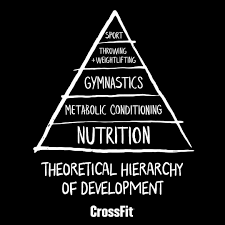
Building the Athlete From the Ground Up: Why Foundations Matter in Training
Strong athletes are built through layers of development. Nutrition, movement quality, body control, capacity, and technique all support long-term progress. Static control, sound mechanics, and consistency create a foundation that allows intensity and performance to develop more effectively over time.

Psychological Flexibility: One of the Most Important Skills for Resilience and Long-Term Wellness
Psychological flexibility supports the ability to adapt during stress, setbacks, and changing life circumstances while continuing to move toward long-term goals. In health and fitness, this mindset improves consistency, emotional regulation, and resilience by allowing people to adjust without losing direction.

Understanding Insulin Resistance: Beyond Sugar and Toward Better Blood Sugar Management
Insulin resistance involves far more than sugar alone. Food quality, overall energy intake, movement, sleep, stress, and body composition all influence blood sugar regulation and metabolic health. Understanding these factors creates opportunities to support insulin sensitivity through practical, sustainable habits.

Nutrition Without Tracking: Practical Ways to Improve Nutrition Habits
Improving nutrition habits does not have to start with tracking. Simple tools like prioritizing food quality, using visual portion guides, practicing awareness at meals, and building one habit at a time can support meaningful change. Small adjustments in how you pay attention to food can create lasting improvements in health, energy, and performance.

Introspection: Why Self-Reflection Matters for Growth
Self-reflection creates awareness of daily patterns, decisions, and responses. Taking time to examine how you think and act provides clarity, supports better decision-making, and allows for more intentional progress across training, health, and daily life.

Consistency Starts Small: How to Build It When You “Just Can’t Stay on Track”
Consistency develops through small, repeatable actions that fit into daily life. Simple adjustments like reducing friction, following a structured plan, and focusing on what gets done create momentum over time. A well-designed program provides direction, but progress comes from applying it consistently.

Simple, Proven Stress Relief Techniques You Can Use Every Day
Stress builds throughout the day through constant input, decisions, and demands. Small, consistent practices can support regulation, improve focus, and restore energy. Simple strategies like controlled breathing, movement, light exposure, and structured routines create a foundation for long-term resilience and overall well-being.

Decision Fatigue: Why You’re Mentally Exhausted Before the Day Even Starts
Feeling drained by the end of the day has less to do with effort and more to do with the number of decisions you’re carrying. Cognitive load builds quietly, influencing consistency, energy, and follow-through. When structure replaces constant decision-making, capacity opens up and sustainable habits become easier to maintain.